Jump to test AAMA-501, AAMA-502, AAMA-503, ASTM E283, ASTM E330/E330M, ASTM E331, ASTM E547, ASTM E783, ASTM E987, ASTM E1105, ASTM E1886, ASTM E1996, ASTM E2068, ASTM F588, ASTM F842, TAS-201, TAS-202, TAS-203
AAMA/WDMA/CSA101/I.S.2/A440-11
AAMA Standards and Methods
AAMA-501
Quality Assurance and Diagnostic Water Leakage Field Check of Installed Storefronts, Curtain Walls, and Sloped Glazing Systems
Summary of Test Method: The purpose of this method is to provide a quality assurance and diagnostic field water penetration check method for installed storefronts, curtain walls, and sloped glazing systems.
AAMA-502
Voluntary Specification for Field Testing of Newly Installed Fenestration Products
Summary of Test Method: The purpose of this method is to establish the requirements for field test specimens, apparatus, sampling, test procedures and test reports to be used in verifying the air infiltration resistance performance and water penetration resistance performance of newly installed fenestration products.
AAMA-503
Voluntary Specification for Field Testing of Newly Installed Storefronts, Curtain Walls and Sloped Glazing Systems
Summary of Test Method: The purpose of this method is to establish the requirements for field test specimens, apparatus, sampling, test procedures and test reports to be used in evaluating the performance of newly installed storefronts, curtain walls, and sloped glazing systems and their installation during construction.
ASTM Test Methods & Standards
ASTM E283
Standard Test Methods for Determining Rate of Air Leakage Through Exterior Windows, Curtain Walls, and Doors Under Specific Pressure Differences Across a Specimen
Summary of Test Method: The test consists of sealing a test specimen into or against one face of an air chamber, supplying air to or exhausting air from the chamber at a rate required to maintain the specific test pressure difference across the specimen, and measuring the resultant air flow across the specimen.
Bagging specimen for air infiltration
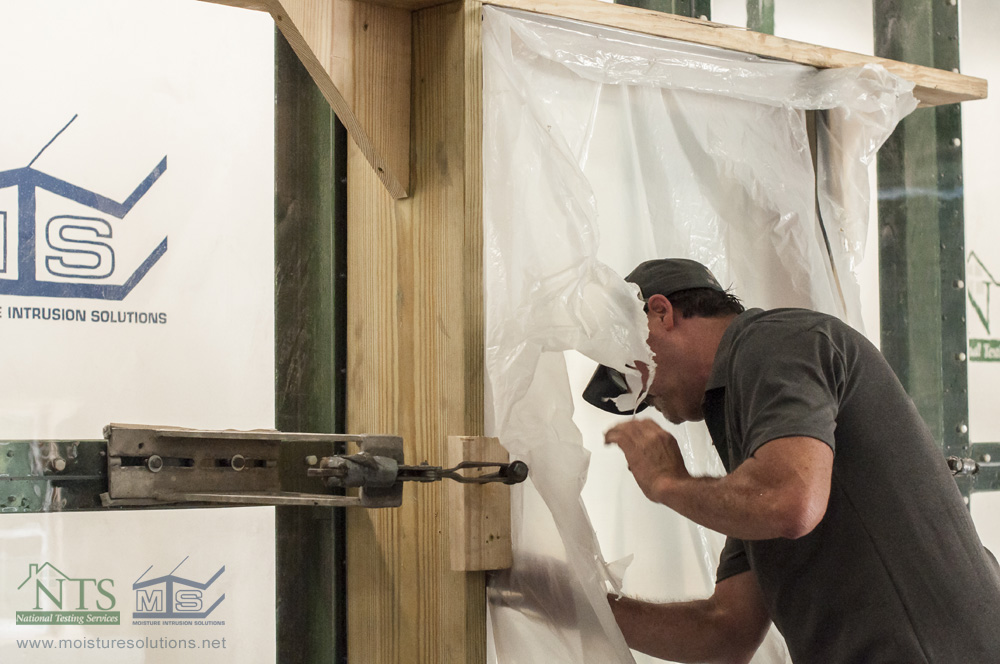
Test ASTM E283 Air Infiltration
ASTM E330/E330M
Standard Test Method for Structural Performance of Exterior Windows, Doors, Skylights and Curtain Walls by Uniform Static Air Pressure Difference
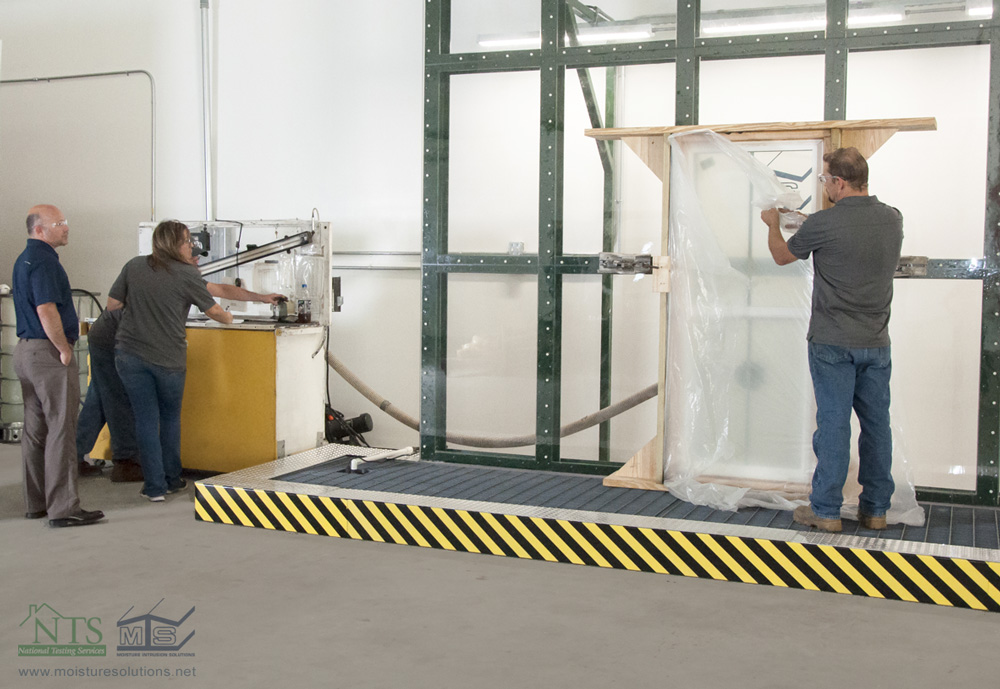
Summary of Test Method: The test method consists of sealing the test specimen into or against one face of a test chamber, and supplying air to or exhausting air from the chamber according to a specific test pressure loading program, at the rate required to maintain the test pressure difference across the specimen, and observing, measuring, and recording the deflection, deformations, and nature of any distress of failures of the specimen. For AAMA/ASTM requirements the loads when reached are held constant for a ten (10) second duration then pressure is released.
Structural Deflection ASTM E330

ASTM E331
Standard Test Method for Water Penetration of Exterior Windows, Skylights, Doors, and Curtain Walls by Uniform Static Air Pressure Difference
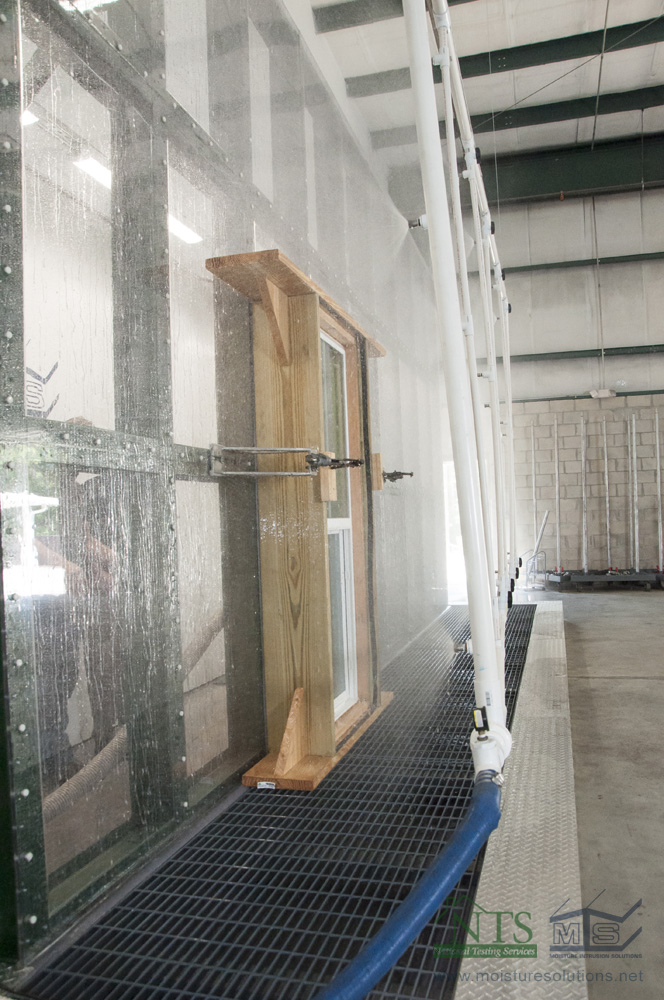
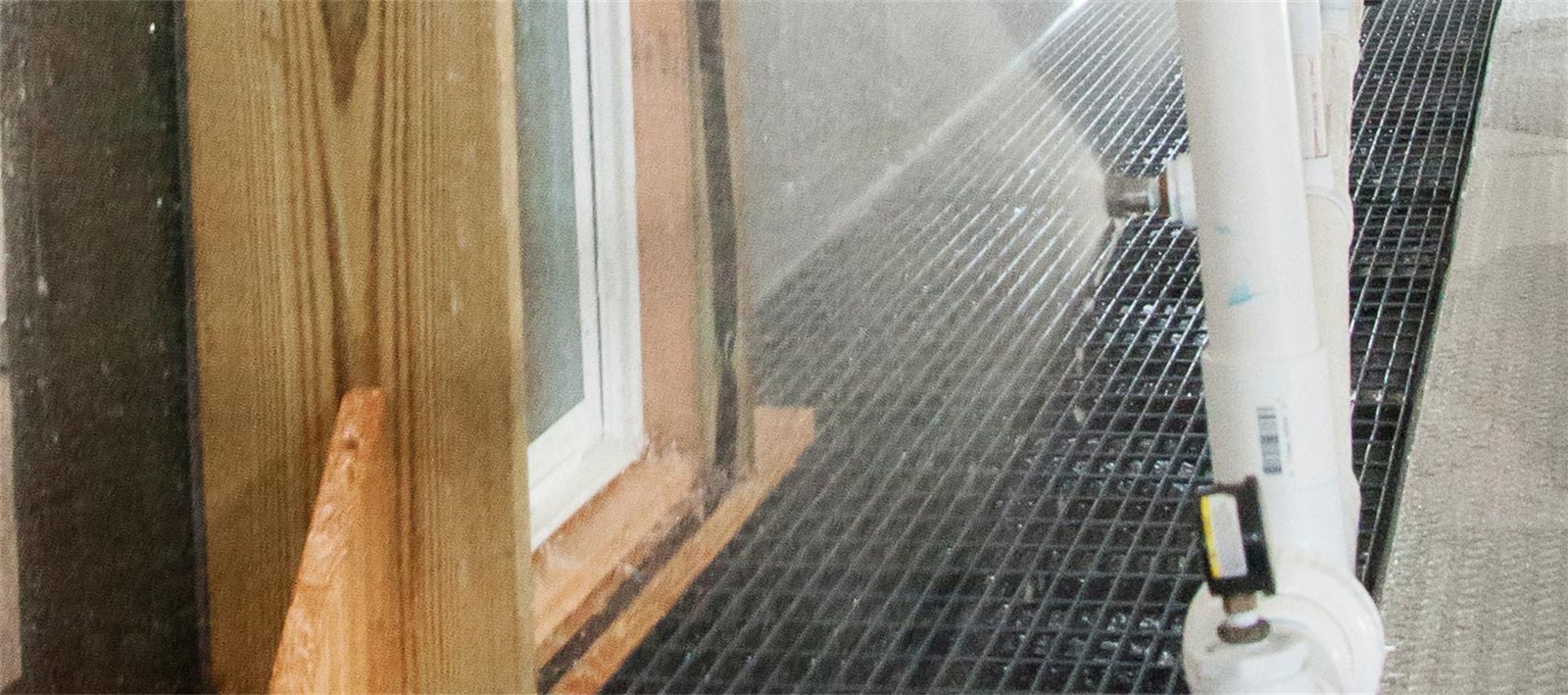
Summary of Test Method: The test method consists of sealing the test specimen into or against one face of a test chamber, and supplying air to or exhausting air from the chamber at the rate required to maintain the test pressure difference across the specimen for a time cycle specified (One (1) 15 minute cycle duration) while spraying water onto the outdoor face of the specimen at the required rate (measured in psi) and observing any water penetration.
Water Infiltration Test ASTM E331
ASTM E547
Standard Test Method for Water Penetration of Exterior Windows, Skylights, Doors, and Curtain Walls by Cyclic Static Air Pressure Difference
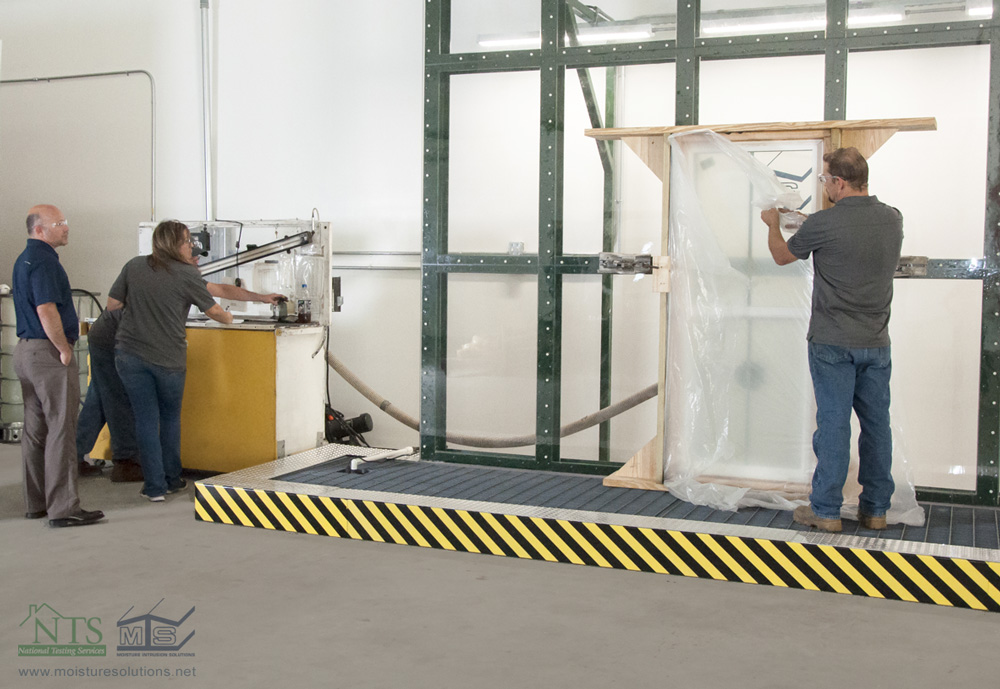
Summary of Test Method: The test method consists of sealing the test specimen into or against one face of a test chamber, and supplying air to or exhausting air from the chamber at the rate required to maintain the test pressure difference across the specimen for a time cycle specified (Four (4) 5 minute cycle durations) while spraying water onto the outdoor face of the specimen at the required rate (measured in psi) and observing any water penetration.
Test ASTM E547 Air Infiltration
ASTM E783
Standard Test Method for Field Measurement of Air Leakage Through Installed Exterior Windows and Doors
Summary of Test Method: This test consists of sealing a chamber to cover the interior or exterior face of the specimen, supplying air to or exhausting air from the chamber at a rate required to maintain the specified test pressure difference across the specimen, and measuring the resultant air flow across the specimen.
ASTM E987
Standard Test Method for Deglazing Force of Fenestration Products
Summary of Test Method: This test method measures the element of fenestration products such as operating (or removable) window sashes, storm sashes, and sliding glass door panels to forces tending to deglaze the construction.
ASTM E1105
Standard Test Method for Field Determination of Water Penetration of Installed Exterior Windows, Skylights, Doors, and Curtain Walls, by Uniform or Cyclic Static Air Pressure Difference
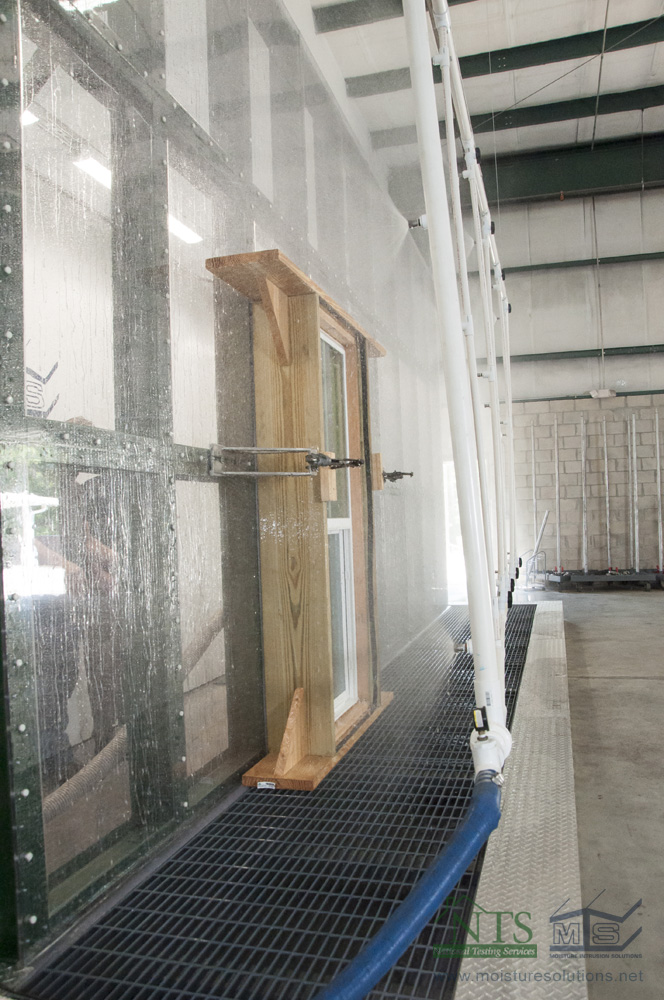
Summary of Test Method: This test method consist of sealing a chamber to the interior or exterior face of the specimen to be tested, supplying air to a chamber mounted on the exterior or exhausting air from a chamber mounted on the interior, at the rate required to maintain the test pressure difference across the specimen while spraying water onto the outdoor face of the specimen at the required rate (psi) and observing any water penetration.
Water Infiltration Test ASTM E1105
ASTM E1886
Standard Test Method for Performance of Exterior Windows, Curtain Walls, Doors, and Impact Protective Systems Impacted by Missiles and Exposed to Cyclic Pressure Differentials
Summary of Test Method: This test method consists of mounting and bracing the test specimen to a cyclic test chamber, impacting the test specimen with a missile(s) and then applying cyclic static pressure differentials across the test specimen in accordance with a specified test loading program (sequence), observing and measuring the condition of the test specimen, and reporting the results.
Impact Tested ASTM E1886

ASTM E1996
Standard Specification for Performance of Exterior Windows, Curtain Walls, Doors and Impact Protective Systems Impacted by Windborne Debris and Hurricanes
Summary of Test Method Large Missile Impact (LMI): Qualification under this specification provides a basis for judgment of the ability of applicable elements of the building envelope to remain un-breached during a hurricane; thereby minimizing the damaging effects of hurricanes on the building interior and reducing the magnitude of internal pressurization. While this standard was developed for hurricanes, it may be used for other types of similar wind-storms capable of generating windborne debris.
ASTM E2068
Standard Test Method for Determination of Operating Force of Sliding Windows and Door Assemblies
Summary of Test Method B: This test method uses a ISO 17025 certified calibrated force gauge with a peak hold and continuous reading capability. The force gauge is used to apply pressure evenly to operate an operable sash or panel. The test specimen is mounted in a rigid support frame. After attaching the load system (Force Gauge) to the operating sash or panel, the weight or force is applied and increased until the sash or panel is put into motion. This determines breakaway force. Starting from 1 inch (25 mm) from a closed or open position the minimum amount of weight or force required to keep a sash in motion, once it is started moving, is measured. This determines the in-motion operating force. Forces required to operate a sliding window or patio door in both opening and closing directions are determined by the test method opening and closing requirement forces.
ASTM F588
Standard Test Method for Measuring the Forced Entry Resistance of Window Assemblies, Excluding Glazing Impact
Summary of Test Method: This procedure consists of mounting a specimen into a test assembly fixture which in turn, is mounted to a wall support fixture, and after removing all exterior fasteners and loose component items, specific loads of forces are applied to the window test specimen in a prescribed sequence. Following removal of all specified loads, a determination is made whether or not entry can be gained through the window test specimen from the exterior. This test method is intended to establish a measure of resistance for window assemblies subjected to attacks (other than impacting glazing materials) by unskilled or opportunistic burglars.
ASTM F842
Standard Test Method for Measuring the Forced Entry Resistance of Sliding Door Assemblies, Excluding Glazing Impact
Summary of Test Method: This procedure consists of mounting a sliding door specimen into a test assembly fixture which in turn, is mounted to a wall support fixture, and after removing all exterior fasteners and loose component items, specified load forces are applied to the sliding door specimen in a prescribed sequence. Following removal of all loads, a determination is made whether or not entry can be gained through the sliding door specimen from the exterior. This test method is intended to establish a measure of resistance for window assemblies subjected to attacks (other than impacting glazing materials) by unskilled or opportunistic burglars.
Miami-Dade County - (HVHZ) Testing Standards & Methods (Florida Building Code 5th Edition)
TAS-201
Impact Test Procedures
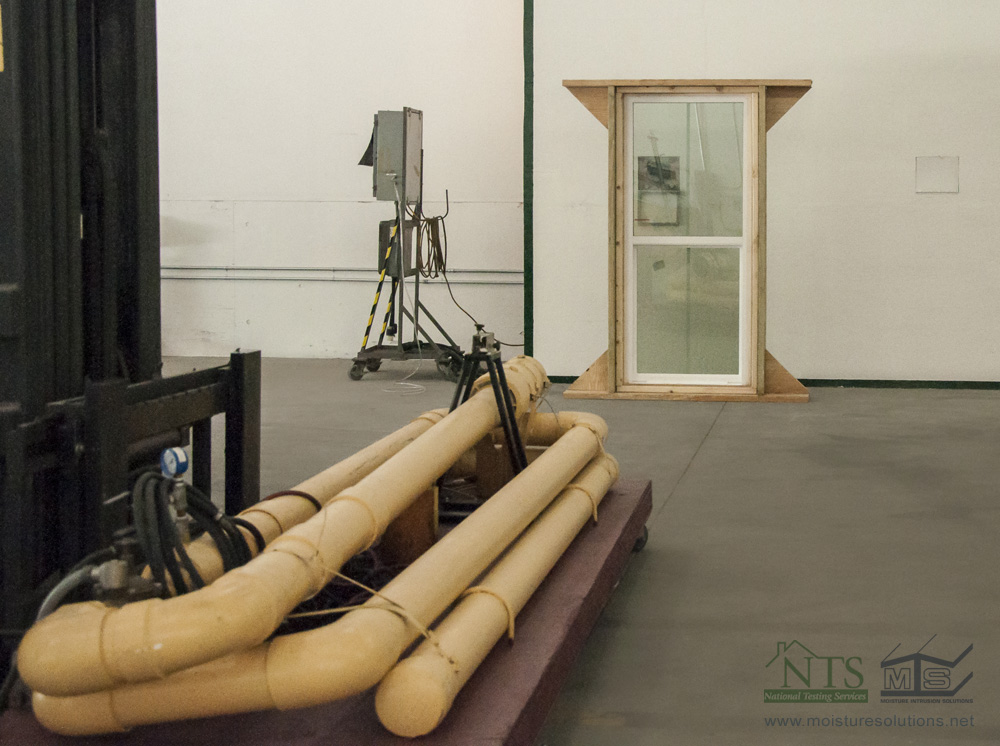
Summary of Test Method: The test procedures outlined in this protocol provide a means of determining whether a specific product used as wall cladding, exterior windows, glazing, exterior doors, skylights, glass block, shutters and any other similar device used as external protection to maintain the envelope of the building, provides sufficient resistance to windborne debris, as stated in Section 1626 of the Florida Building Code, Building.
Impact Testing TAS-201
TAS-202
Criteria for Testing Impact & Nonimpact Resistant Building Envelope Components Using Uniform Static Air Pressure
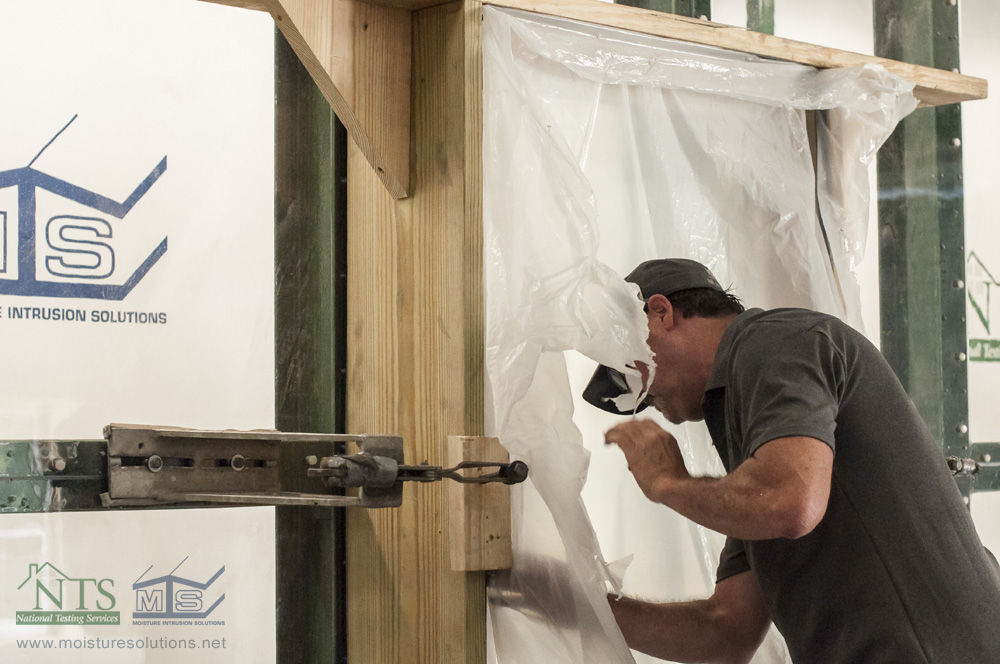
Summary of Test Method: This protocol covers procedures for conducting a uniform static air pressure test for materials and products such as wall cladding, glass block, exterior doors, garage doors, skylights, exterior windows, storm shutters, and any other external component which help maintain the integrity of the building envelope. All parts of the test specimen shall be full size, using the same materials, details, methods of construction and methods of attachment as proposed for actual use. The specimen shall consist of the entire assembled unit attached to a given type of structural framing of the building, and shall contain all devices used to resist wind forces.
Bagging specimen for TAS-202
TAS-203
Criteria for Testing Products Subject to Cyclic Wind Pressure Loading
Summary of Test Method: This test method is intended to be used for installation of exterior windows, glazing, wall cladding, exterior doors, skylights, glass block, storm shutters, and other similar device used as external protection of the building envelope. This test method consists of supplying air to and exhausting air from the chamber in accordance with specific test loading program at the rate required to maintain the test pressure differential across the specimen, and observing, measuring, and recording the deflection, deformations, and nature of any distress or failures of the specimen. The specimen is fit with structural framing into or against the chamber opening. The outdoor side of the specimen shall face the high pressure side for positive loads, the indoor side shall face the high pressure side for negative loads. Support and secure the specimen by the same number and type of anchors to be approved for normal installation of the specimen.
GALLERY


ASTME 1996 and TAS 201 test part 1
ASTME 1996 and TAS 201 test slow mo
© MOISTURE INTRUSION SOLUTIONS, INC.
d/b/a NATIONAL TESTING SERVICES